Evaluating the Halloween Nurse Design for Embroidery Projects
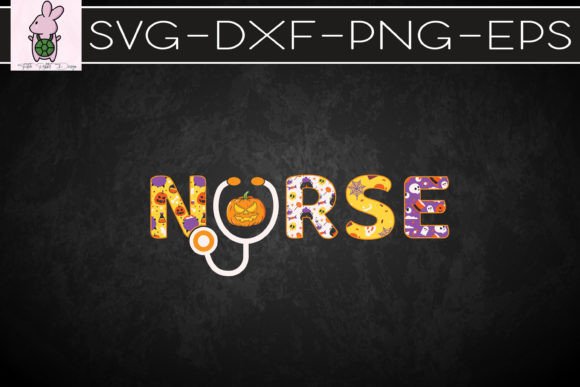
Whenever a new design lands on my screen, my first thought is always about its final, physical form. How will this look when it’s translated into thread and fabric? When I opened the Halloween Nurse Nursing Health Worker embroidery file, that question took center stage. This is a Crafts design, a Graphics product meant for cutting machines, but its core theme holds clear potential for the embroidery world. Let’s walk through what that transition from digital image to embroidered reality might look like.
A Halloween Theme with Practical Appeal
The design’s Halloween nurse concept creates a specific, playful mood. It’s not generic spooky; it’s character-driven. This gives it a personality that could resonate with healthcare workers looking for fun holiday attire, or with anyone crafting a themed gift for a nurse friend. The visual personality leans toward bold and graphic, which is excellent news for embroidery. Clean shapes and a clear layout usually mean cleaner stitching. My initial impression is that this isn’t a fussy, overly detailed illustration—it’s a design built from components that an embroidery machine can handle confidently.
The Natural Home for This Design: Custom Apparel and Gifts
I immediately pictured this on a cozy, heavyweight sweatshirt. Imagine a custom embroidered sweatshirt for a nurse to wear on Halloween shift—it’s personal, humorous, and professionally executed. A tote bag for carrying work essentials, or a durable apron for someone who loves Halloween baking, would also be strong candidates. The design’s theme also suggests it could be a charming, slightly unconventional element on baby clothes or nursery decor for a healthcare-focused family, turning a standard gift into a personalized story.
For small business owners and Etsy sellers, this opens avenues for holiday-specific listings. A simple embroidered patch featuring this design could be a quick, high-value product at a craft fair. Applied to a pillow cover or a tea towel, it becomes boutique home decor. The key is matching the design’s boldness with a product that has a solid, stable surface area to showcase it.
Navigating the Stitching Reality
In a real-life embroidery situation, practicality dictates everything. Let’s say I’m preparing to stitch this onto a black cotton tote bag for a client. The design’s success will hinge on a few critical factors.
First, stitch density. A graphic design meant for cutting machines often has solid areas. In embroidery, these become fill stitch regions. If those areas are too dense, they can make the fabric stiff or pucker, especially on a bag that will be handled frequently. Testing on scrap fabric first is non-negotiable here.
Second, thread color contrast. On dark fabric like our black tote, the color palette needs to pop. Bright whites, crisp reds, or vibrant oranges would be essential to maintain the design’s visual appeal and stitching clarity. On light fabric, the contrast needs to be equally sharp to avoid a washed-out look. This directly impacts the perceived product value and customer trust—a blurry, low-contrast embroidery looks amateurish.
Where This Design Requires Extra Care
Some applications demand a more cautious approach. Small hoop sizes might struggle if any elements are too intricate. Textured fabrics like some sweaters, or stretchy fabrics like t-shirts, require perfect stabilizer choice to keep the graphic sharp. Curved surfaces like caps are tempting, but the design’s likely uniform shape might need adaptation to fit the curve without distortion.
The biggest consideration might be any potential tiny lettering or very detailed corners. If the digital image includes fine text like “Nurse” or small medical symbols, those could become a challenge in thread. A running stitch might not hold enough definition, and a satin stitch on tiny letters can blob. Inspecting the design file closely for these elements before hooping is a professional necessity.
The Impact on Your Craft Business
Using a design like the Halloween Nurse Nursing Health Worker in your work affects more than just the stitch. It influences your brand consistency. If your shop specializes in playful, professional-themed gifts, this fits neatly. It enhances giftability by offering a niche, thoughtful option. For commercial embroidery projects, such as a small batch of uniforms for a clinic’s Halloween event, it adds recognition and a touch of fun while maintaining a handmade presentation.
For digital product sellers, this serves as a design asset for creating printable mockups or previews. However, the leap from a cutting file to an embroidery file isn’t automatic. You’d need to ensure the design has been properly adapted for embroidery paths, or adapt it yourself, before offering it as an embroidery design to your customers.
Essential Designer Notes Before You Hoop
- Always test the design on scrap fabric identical to your final project fabric.
- Check thread color contrast against both light and dark fabric backgrounds.
- Review stitch density in any solid fill areas to prevent puckering.
- Confirm the hoop size you’ll need; a graphic design often benefits from a larger, stable hoop.
- Inspect small details like corners or fine lines to see if they’ll stitch cleanly.
- Use the proper stabilizer for your specific fabric—this is crucial for graphic clarity.
- Most importantly, confirm licensing before selling finished items or digital products. The product description specifies it’s for cutting machines, so clear verification is needed for its use in machine embroidery design and commercial resale of embroidered goods.
A Design with Clear Potential, Given Proper Preparation
The Halloween Nurse Nursing Health Worker graphic carries a strong theme that embroidery can bring to life warmly and tangibly. It feels suited for projects where its character can shine—on apparel, bags, and home goods that serve as conversation pieces or personalized gifts. Its success, however, won’t come from the digital file alone. It will come from the embroiderer’s skill in pairing it with the right fabric, the right thread, and the right stabilizer. It will come from recognizing where its bold shapes are an advantage and where any hidden intricacies might need attention.
For the crafter, the small business owner, and the professional apparel decorator, this design represents an opportunity to create something with specific appeal. Approach it with the practical steps above, and you’ll likely end up with a finished product that has visual punch, professional polish, and a story that your customer—whether a nurse, a Halloween enthusiast, or a gift buyer—will truly appreciate.