A Design Review: The Nurse Who Knows What's Going On
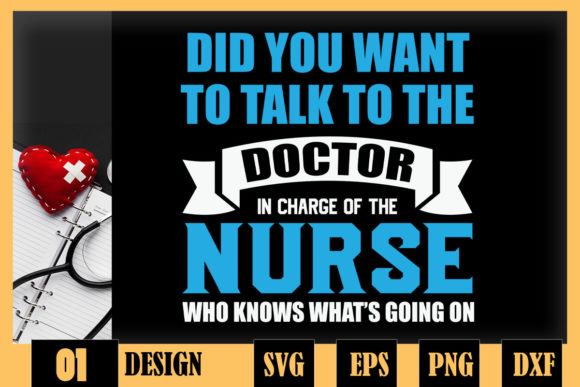
As a designer who uses digital files to create physical, stitched products, my first impression of any design is always about its potential character. The Nurse Who Knows What's Going On arrives with a clear, confident, and slightly cheeky personality. The mood is celebratory, appreciative, and clever. It's not a generic medical icon; it's a statement. The layout feels balanced, with the text carrying the humorous weight and the nurse graphic providing a recognizable, friendly anchor. This combination tells me it's a design meant for someone who wants to express a specific sentiment—gratitude, recognition, or inside humor—rather than just a profession.
The Perfect Project Fit: Where This Design Naturally Belongs
In my mind, this embroidery file immediately maps to a few real-life scenarios. I picture a custom sweatshirt or t-shirt as a gift for a favorite nurse after a long hospital stay. It would be a standout, personal thank-you. I also see it on a tote bag for a nursing student or a working nurse—a daily-use item that carries pride and a bit of fun. For small business owners in the craft or apparel space, this design could become a popular product for nurse appreciation weeks, graduation gifts, or even as a witty patch on a cap or apron.
Its theme is niche but emotionally resonant. For creative entrepreneurs selling on Etsy or at craft fairs, this kind of design can tap into a community. Customers looking for a gift for a healthcare worker aren't just buying a graphic; they're buying a message that feels tailor-made. That's a powerful value proposition for a handmade product.
Visual Appeal and Stitching Considerations
When I evaluate a design for real embroidery work, I think about how it will translate from screen to stitches. The clarity of the text, "The Nurse Who Knows What's Going On," is paramount. On thinner fabrics like t-shirts, small lettering can become dense and stiff if the stitch count is high. I'd advise testing a small section on scrap fabric first, especially checking those words. Does the satin stitch or fill stitch remain legible and smooth? Does it pucker on a lightweight cotton?
The included nurse graphic likely has some detail—perhaps in the cap or uniform. On curved surfaces like caps or beanies, those finer elements need careful hoop placement and stabilizer choice to prevent distortion. For a robust application, like on a canvas tote bag or a denim jacket, the design would likely shine, holding its shape and detail beautifully. The visual appeal hinges on crisp execution; a well-embroidered version of this design feels professional, trustworthy, and gift-worthy.
Navigating Fabric and Scale: Where to Use With Care
Some projects require extra planning. For baby clothes or delicate nursery items, using this design in full scale might overwhelm a small garment. Consider a smaller hoop size or perhaps using just the graphic element as a cute accent on a baby blanket. On dark fabrics, thread color contrast is critical. A mockup in black and white can help visualize how the light and dark areas will pop.
Textured fabrics, like towels or sweater knits, can swallow up fine details. And for products destined for frequent washing—like kitchen towels or everyday apparel—a dense stitch area in the design's center could be a point of wear. Stabilizer choice is your best friend here. Always test on a similar fabric you plan to use for the final product.
Building Customer Trust Through Quality Execution
How you stitch this design affects more than just aesthetics; it impacts customer trust and your brand's consistency. A sloppy, puckered embroidery job on a sweatshirt sold in your small shop will disappoint a buyer seeking a special gift. Conversely, a clean, vibrant rendition on a boutique pillow cover elevates the entire product. It signals care and professionalism. For digital product sellers offering this as a design asset, providing clear notes on recommended hoop sizes and fabric types in your listing can build immense trust with fellow makers.
The design itself, The Nurse Who Knows What's Going On, has inherent "giftability" and recognition value. It speaks directly to an experience. That engagement is a huge advantage for a crafter or entrepreneur. It’s not a vague decorative element; it’s a conversation starter.
Practical Notes for the Embroidery Designer
Before you load this machine embroidery design and start stitching for a client project or your own craft business merchandise, run through a quick checklist. Review the stitch density in your software if possible—are there areas that might be too thick for your intended fabric? Confirm the hoop size needed; does it fit the item you're making? Inspect the small details, especially in the provided file formats like SVG or DXF, to ensure no corners are too tight for a clean stitch path.
Thread color selection is an artistic choice here. Will you use classic medical whites and blues, or something more playful? That decision changes the mood. Crucially, always confirm the licensing terms for this digital embroidery file. The product description states it includes multiple file types for an instant download, but does it grant permission for commercial use, for selling the finished embroidered products? Never assume. This is fundamental for Etsy sellers, apparel decorators, and anyone creating small shop merchandise.
The Final Stitch: A Design With Purpose
In my judgment, The Nurse Who Knows What's Going On is more than just a Crafts or Graphics category download. It's a design asset with a strong, specific voice. It belongs on projects where that voice needs to be heard: personalized gifts, custom apparel for healthcare workers, or witty additions to a handmade product line. Its success in real embroidery depends on your skill and preparation—matching it to the right fabric, scale, and stabilizer. But the payoff is a finished product that feels thoughtful, recognized, and genuinely appreciated. That’s the real value of a good design: it helps you tell a story with every stitch.