Vintage Rosie the Riveter Dialysis Nurse Embroidery Design Review
When a new embroidery file lands in my library, I don't just look at the preview. I think about how it will stitch out in real life, on real projects for real clients or my shop. The Vintage Rosie the Riveter Dialysis Nurse design immediately caught my eye, not just for its powerful theme, but for its potential as a meaningful, handmade product.
First Impression: A Classic Icon with a Modern Heart
The mood here is immediately respectful and empowering. It blends the timeless "We Can Do It!" spirit with a specific, heartfelt tribute. The vintage styling softens the overall feel, making it approachable rather than starkly medical. The layout—with Rosie central and the text clearly integrated—promises good balance in a hoop. This isn't a overly complex graphic; it's a statement piece. Its visual personality tells me it belongs on projects meant to convey strength, care, and recognition.
Where This Design Finds Its True Home
I envision this stitching out beautifully on custom apparel meant for dialysis nurses, healthcare teams, or supportive families. A high-quality embroidered sweatshirt or a durable tote bag would be perfect carriers. It has the gravity for a personalized gift that feels truly considered, not generic. For small business owners, this could resonate on caps or patches sold at craft fairs, or as a centerpiece on aprons or pillow covers for someone's home. The vintage aesthetic also lends itself to tea towels or nursery decor in a healthcare-focused household, turning a digital graphic into a tangible token of appreciation.
Stitching It Out: Practical Performance on Real Projects
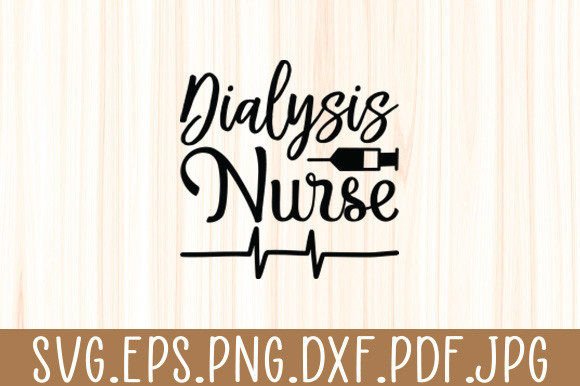
Let's walk through a real scenario: preparing a custom embroidered tote bag for a client who wants to gift it to a nurse. The design's clarity is key. The text "Dialysis Nurse" needs clean stitching—satin stitch for the letters would be ideal, requiring good stabilizer on the bag fabric. Rosie's facial details and armband are areas I'd watch during a test stitch; dense fill stitches here could be heavy on thinner fabrics, but on a tote, they'll add a lovely, substantial texture. The overall shape is blocky and strong, which helps with registration on the machine, meaning fewer worries about misaligned elements for your embroidery project.
For baby clothes or lightweight items, I'd approach with more caution. The design's inherent density might require adjusting stitch settings or choosing a very stable base fabric to prevent puckering. On the flip side, on a dark fabric sweatshirt embroidery, with bright thread colors, this design would pop with excellent contrast, creating high visual appeal and perceived value for a small shop product.
Considerations for Professional Results
There are places where this design demands a careful approach. Small hoop sizes might compromise the detail; it likely needs a space where the entire motif can breathe. Textured fabrics like some towels could obscure the finer lines. On stretchy fabric or curved surfaces like caps, meticulous stabilization is non-negotiable to keep the image sharp. The "Vintage" aspect often implies softer edges, which is good—it means tiny, sharp corners aren't a major concern, but the lettering still needs to be clear after stitching. For products destined for frequent washing, like a kitchen towel, ensuring the stitch density isn't so high that it stiffens the fabric is a practical note.
Why This Design Works for Creative Businesses
From a commercial perspective, Vintage Rosie the Riveter Dialysis Nurse affects several key areas. Its visual appeal is specific, which builds customer trust—it shows you understand a niche audience. The handmade presentation of an embroidered item with this design feels professional and heartfelt, enhancing giftability. For an Etsy seller or someone creating craft fair products, it offers a recognizable icon adapted to a new context, which can drive buyer engagement. It supports brand consistency for shops focused on healthcare, empowerment, or vintage-inspired goods.
Essential Designer Notes Before You Hoop
Always test the design on scrap fabric first, using the same material and stabilizer as your final project. This is crucial to review stitch density and see how small details like Rosie's eyes and the armband text come out. Check thread color contrast against your background fabric. I recommend testing it in black and white mockups or comparing light and dark fabric backgrounds digitally first to plan your thread palette.
Since the product description specifies it's a digital file for cutting machines like Cricut, confirming the exact embroidery file formats, compatible machines, and hoop size requirements is a step you must take before starting. The description does not detail stitch counts or license terms. Therefore, confirm licensing before selling finished items or digital products is an absolute must. Understand if it's for personal use, commercial use, or both. Use proper stabilizer suited to your fabric to ensure the design's integrity, especially on layered garments or items with movement.
This machine embroidery design has the potential to become a standout finished product. By approaching it with these practical considerations, you can transform a powerful digital embroidery file into an even more powerful physical piece—one that carries meaning in every stitch.