A Designer’s Hands-On Review: The ‘My Favorite Nurse Calls Me DAD’ Embroidery Design
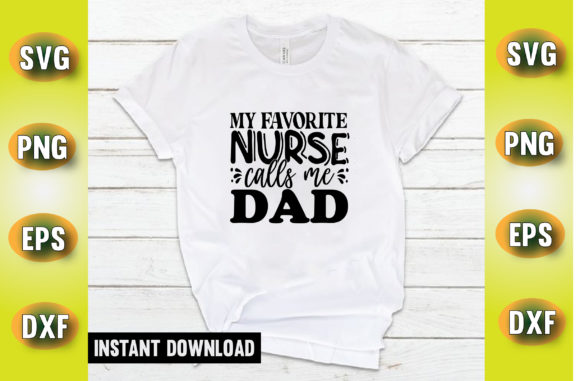
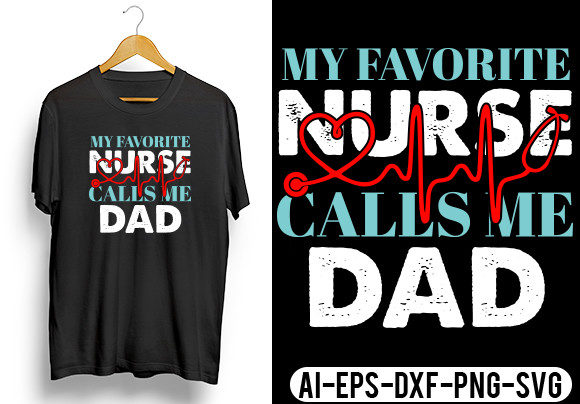
As a designer who works with embroidery files daily for client projects and my own small shop, my first step with any new design is to imagine it as a finished, stitched product. When I opened the My Favorite Nurse Calls Me DAD T-Shirt design, my immediate impression was one of warmth and straightforward sentiment. The layout is clean and centered, with a clear, playful hierarchy between the bold ‘DAD’ and the supporting text. This isn’t an overly ornate or delicate graphic; it’s a statement piece with a friendly, confident personality. It feels perfectly suited for a heartfelt, personalized gift rather than a generic decorative element.
The Natural Fit: Where This Design Thrives in Real Projects
In practical use, this design shines on items meant to convey a personal connection. Picture a custom embroidered sweatshirt for a new father, a tote bag for a nurse’s own dad, or a cozy blanket for a grandfather. The theme is specific, which gives it incredible giftability. For my craft business, I’d immediately consider it for holiday gifts—Father’s Day, Christmas, or even a personalized wedding gift for an dad in the medical field. It also has strong potential as a boutique product, like an embroidered pillow cover for a nursing student’s dorm or a subtle design on the corner of a kitchen towel in a healthcare worker’s home.
The provided file formats—AI, EPS, PNG, SVG, DXF—being expanded means they are ready for use without technical hiccups, which is a practical boon for any embroidery designer or apparel decorator rushing to meet a client deadline or prepare craft fair stock. The 4500x5400 pixel size at 300 DPI suggests good detail resolution, which is promising for translating to clean satin stitches and fill stitches without losing the integrity of the letterforms.
Considering the Stitch: Practical Performance on Fabric
Embroidery is about texture and clarity. On a medium-weight cotton t-shirt or a canvas tote bag, this design should perform well. The lettering, particularly ‘DAD,’ is likely designed with enough weight to allow for good stitch density without becoming overly dense and stiff. However, this is where a designer’s critical eye must come in. On thinner or stretchy fabrics—like a lightweight polo or some baby clothes—the stitch area could potentially cause fabric puckering if stabilizer isn’t chosen correctly. On dark fabric backgrounds, thread color contrast becomes paramount; a bright white or a contrasting color palette would be essential to maintain the design’s cheerful mood.
A real-life scenario I envision is using this for an embroidered cap. The curved surface of a cap demands a design that isn’t too wide or tall, and with small, detailed corners. Here, testing the design on scrap fabric first is non-negotiable. One would need to check that the smaller lettering in “My Favorite Nurse Calls Me” remains crisp and readable when stitched at a smaller scale, ensuring the final product doesn’t lose its message and visual appeal.
Where Caution is Needed: Making It Work for Your Specific Project
Not every design is a universal fit. For the My Favorite Nurse Calls Me DAD embroidery file, I would be careful using it on very small hoop sizes. Squeezing it onto a tiny patch or a baby bib might compress the details and compromise stitching clarity. Similarly, on highly textured fabrics like some blankets or aprons, the fill stitches might not lay as smoothly, affecting the finished product’s professional look.
The design’s commercial use—for Etsy sellers, digital product sellers, or small shop owners creating merchandise—hinges on confirming the licensing terms. While the description states it’s “Useable for,” a professional always confirms the specifics before selling finished items. This step protects your business and builds customer trust.
Adding Value: How This Design Elevates Your Work
From a business perspective, a well-executed embroidery of this design adds tangible value. It transforms a plain garment into a meaningful, handmade product. For a creative entrepreneur, it offers a ready-made design asset that can be adapted across products—from a digital product preview in a printable mockup to the actual stitched item. Its specific theme aids in buyer engagement; a customer looking for a “nurse dad” gift will recognize its relevance immediately, which is more powerful than a generic fatherhood design.
Using it consistently across a line of products—say, on t-shirts, totes, and patches—could help build brand consistency for a shop focused on healthcare or family-themed gifts. The professionalism comes from your execution: choosing the right thread colors, fabric, and hoop size to let the design’s friendly personality shine through without technical flaws.
Final Designer Notes Before You Hoop the Fabric
Before I would run this embroidery file for a client or my shop, my checklist is practical. Test it on a scrap of your intended fabric, with your chosen stabilizer. Review the stitch density in your machine embroidery software; adjust if needed for your specific fabric texture. Inspect the small details in the text in a black and white mockup to ensure readability on both light and dark backgrounds. Confirm the hoop size you plan to use accommodates the design without forcing awkward scaling.
Ultimately, the My Favorite Nurse Calls Me DAD T-Shirt design is a strong, sentiment-driven graphic for the Crafts and Graphics space. Its success in your embroidery project, whether for a personal gift or commercial embroidery, depends on treating it not just as a digital file, but as a blueprint for a physical, textured, and emotionally resonant finished product. When stitched with care, it’s a design that tells a story—and that’s the core of a valuable handmade item.