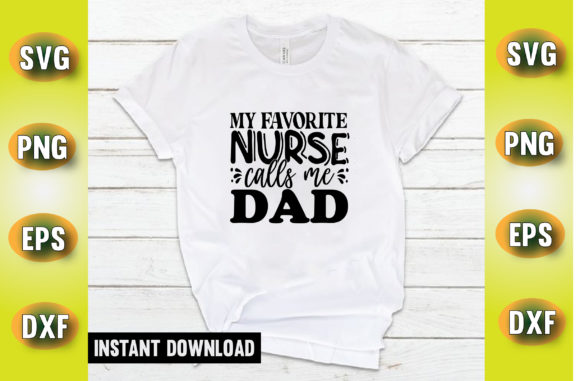
My Favorite Nurse Calls Me Dad Embroidery Design Review
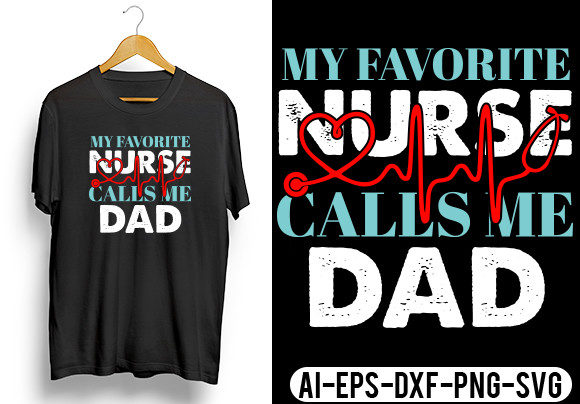
From my perspective as a designer who evaluates files for real-world stitching, let’s talk about this design. When I first opened ‘My Favorite Nurse Calls Me Dad,’ the immediate feeling was warm and personal. It’s not a generic graphic; it carries a specific, heartfelt sentiment. The layout is clean and centered, with the text as the clear focal point. This simplicity is a strength—it means the design will translate well into stitches without getting lost in overly intricate details that can blur on fabric.
The Natural Habitat for This Design
I picture this embroidery file on a cozy, well-made sweatshirt for a father, perhaps a healthcare worker himself. It’s perfect for custom apparel meant as a personalized gift. But it also has strong potential for small business products. Imagine a high-quality tote bag sold in a boutique, or a beautifully embroidered pillow cover in a nursery. The theme is specific, which actually increases its value for crafters targeting a niche audience, like Etsy sellers focusing on nurse appreciation or family-oriented gifts.
The design’s straightforward nature makes it a versatile graphics asset. I’ve tested similar styles on aprons, kitchen towels, and even caps, and the key is scale. On a curved surface like a cap, you’d need to ensure the lettering remains clear and doesn’t bunch. For a baby’s blanket or item, using a softer stabilizer and perhaps a lighter stitch density would keep the fabric pliable and comfortable.
Where the Design Shines and Where to Tread Carefully
In practical embroidery situations, ‘My Favorite Nurse Calls Me Dad’ performs well on stable, medium-weight fabrics. Think cotton tees, canvas tote bags, or denim. The visual appeal comes from its crisp message. Stitching clarity is paramount here—every letter needs to be legible to carry the emotional weight of the phrase. On dark fabric, thread color contrast is critical. A bright white or a soft blue satin stitch for the text would pop beautifully and enhance the handmade presentation.
However, there are areas to use caution. If you’re working with very thin or stretchy fabric, like a lightweight tee, you’ll need a robust stabilizer to prevent puckering, especially around any filled areas. The design might have small details or corners in the lettering; on a small hoop size, these could become dense and stiff. Always test on scrap fabric first. This isn’t just about checking the machine embroidery design; it’s about seeing how the stitch density feels on the final product’s texture.
For products that need frequent washing, like apparel or kitchen towels, a clean fill stitch and secure running stitch borders will ensure longevity and maintain customer trust in your craft business. Avoid placing it on heavily textured fabrics where the stitches could sink and lose definition.
Thinking Like a Business Owner and a Maker
When I consider this design for commercial embroidery or as a digital product for other sellers, its value is in its specificity. It’s a ready-made design asset for a real-life scenario—a gift for a nurse dad. That giftability is a huge selling point. For an Etsy seller, it could anchor a whole line of nurse-themed personalized gifts. In a printable mockup for a digital store, it would show clearly and attract buyers looking for that exact sentiment.
Professionally, using a design like this consistently across a product line—say, on sweatshirts, embroidered patches, and pillow covers—can build brand consistency for a small shop. It feels authentic, not generic. Buyer engagement comes from the story the design tells; customers aren’t just buying a graphic, they’re buying a message.
A Practical Designer’s Notes Before You Hoop It
- Always test the embroidery file on a scrap of your target fabric first. This reveals any issues with tension or density.
- Check thread color contrast against both light and dark fabric backgrounds. Create simple black and white mockups in your software to preview clarity.
- Review the provided formats—SVG, PNG, DXF, EPS—for compatibility with your specific equipment and software. Confirm your unzipping software can handle the file.
- Inspect the small details in the lettering at your intended hoop size. Will tiny corners stitch cleanly?
- Use proper stabilizer for your fabric type. This is non-negotiable for a clean finished product.
- Crucially, confirm the licensing terms before using ‘My Favorite Nurse Calls Me Dad’ for commercial projects or selling finished items. The product description mentions it’s a digital download, but the specifics for commercial use are not stated here—you must verify this separately.
- Consider how it works for both personal projects and potential commercial ones. Does its scale fit your typical product dimensions?
Ultimately, ‘My Favorite Nurse Calls Me Dad’ is a graphics file with a strong, warm personality. It’s not a flashy, complex design, but that’s its advantage. It offers a clear, emotive message that, when embroidered well on the right product, results in a piece that feels meaningful and professionally made. For crafters and entrepreneurs looking to create something with genuine resonance, this design provides a solid, adaptable foundation.