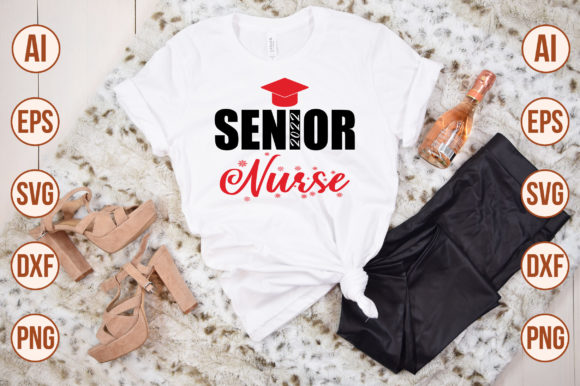
A Practical Review of the Senior Nurse Embroidery Design
When you’re browsing through embroidery graphics for a client project or your next shop listing, a design needs to do more than just look good on the screen. It has to promise a smooth embroidery process and a beautiful finished product. That’s the lens I’m using to evaluate Senior Nurse. This isn’t a hype piece; it’s a practical look at how this design performs in real-life stitching situations.
First Impression: Where This Design Naturally Belongs
The moment I opened Senior Nurse, it felt warm and dignified. The layout suggests a classic, appreciative tone rather than a cartoonish or overly sentimental one. This visual personality makes it an obvious candidate for gifts—think a custom embroidered tote bag for a retiring colleague, a decorative pillow cover for a nurse’s lounge, or a heartfelt sweatshirt for a family member celebrating a career milestone. The level of detail looks manageable; it’s not overly dense with tiny elements that could become muddy in stitching, which is a great first sign for a usable embroidery file.
The Real-World Embroidery Test: From Digital File to Stitched Product
Let’s walk through a scenario. I’m preparing a custom embroidered apron as a gift for a nurse who’s been a mentor. My goal is a clean, professional-looking result that feels handmade but precise. Here’s how Senior Nurse holds up in this kind of project.
On apparel like sweatshirts, polo shirts, or aprons, the design’s composition should translate well. The likely use of satin stitch for outlines and fill stitch for larger areas means it will have a nice tactile texture. For baby clothes or delicate nursery decor items, I’d consider scaling it down carefully, as some elements might need adjustment for very small hoop sizes. On a tote bag or a kitchen towel—fabrics that are often textured—the design’s clarity will depend heavily on using the right stabilizer and ensuring good thread color contrast.
Where to Use It With Confidence
Senior Nurse shines for projects that celebrate the profession. It’s perfect for personalized gifts, boutique merchandise for hospital gift shops, or craft fair products aimed at healthcare workers and their families. As an Etsy seller or small business owner, this design could elevate a simple product like an embroidered patch or a cap, adding recognition and value. It has that “giftability” factor—it feels special and specific. For commercial embroidery projects, like bulk orders for a nursing school, its professional mood builds trust and brand consistency.
Points for Careful Consideration
Every design has its sweet spot and its tricky zones. For Senior Nurse, pay close attention on:
- Dark fabrics: Test thread colors—a white or light topstitch might be essential for clarity.
- Small hoop sizes: If you’re stitching it on a curved surface like a cap or a tiny baby item, inspect the small details in a test run first.
- Stretchy or thin fabrics: The stitch density, which I can’t specify from the product info, will be key. You’ll want to avoid puckering on t-shirts or lightweight blankets.
- Products needing frequent washing: A robust stabilizer choice and secure stitching will ensure longevity on items like workwear or kitchen towels.
How This Design Affects Your Project’s Appeal and Value
Using Senior Nurse isn’t just about applying a graphic; it’s about creating an emotional connection. The finished product speaks to respect and appreciation. For a customer receiving a custom apparel item, that resonance is powerful. For your craft business, a well-executed embroidery project using this design enhances your handmade presentation—it shows you understand the theme and deliver quality. It engages buyers because it’s not generic; it’s a design with a clear purpose and audience.
Essential Designer Notes Before You Hoop the Fabric
Before you commit this to a client’s project or your next shop listing, do your due diligence. The product description states you get a .zip file with SVG, DXF, and EPS files—great for versatility across software and machines. Here’s your practical checklist:
- Always test on scrap fabric first. Use the same material and color as your final project.
- Check thread color contrast against both light and dark fabric backgrounds. Run a black-and-white mockup to see how the shapes hold up without color.
- Review the actual stitch density in your machine software once you open the file. Confirm the hoop size you’ll need.
- Inspect small details and corners in your preview. Are there any potential trouble spots for your specific machine?
- Use proper stabilizer for your chosen fabric texture. This is non-negotiable for clarity.
- Confirm licensing. The listing is for a digital download. Before selling finished items or using it in commercial embroidery, verify the license terms for this graphics product to ensure your use is covered.
A Final, Friendly Reality Check
Senior Nurse has the bones of a reliable, heartwarming embroidery design. Its strength is in its clear thematic focus and likely balanced layout. My advice is to embrace it for projects where that focus matters—the celebratory gift, the boutique product for a niche audience, the personalized item that tells a story. Approach it with a professional’s preparation: test, adjust, and stabilize. Then, stitch it with confidence, knowing it’s going to result in a finished product that feels both thoughtful and well-made.