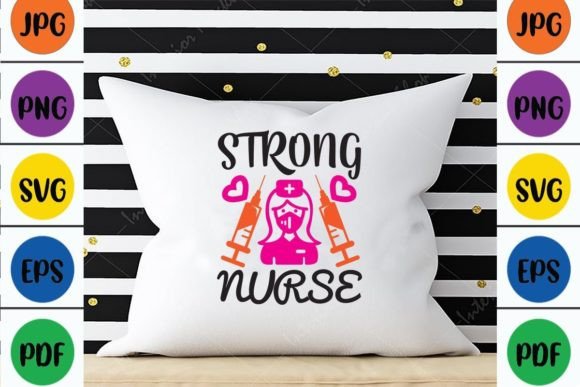
The Strong Nurse Embroidery Design: A Practical Review for Makers
Whenever I look at an embroidery file, especially one with a theme like this, my first question is always about its character. Is it merely decorative, or does it carry a weight that makes it worthy of a customer's garment, a gift, or a shop product? Strong Nurse immediately strikes me as a design with intention. It’s not just a graphic; it’s a statement. The mood it creates is one of quiet resilience and professional pride, which is a powerful starting point for any embroidery project.
The First Impression: Where This Design Belongs
The visual personality here leans toward bold appreciation. It feels like a design meant for celebration, for acknowledgment. You can picture it on a gift for a nursing student who just passed their exams, or on a custom tote bag for a veteran nurse who carries their strength with them every day. The layout and theme suggest it would work beautifully as a central, standalone motif—not a tiny accent. This is a design that demands a decent hoop size to let its message shine. It naturally belongs on items meant to be seen and valued.
My mind goes straight to real-life embroidery situations. Imagine a client request for a personalized sweatshirt for a retiring nurse. This isn't a frivolous, trendy graphic; it’s a meaningful commemorative piece. On a high-quality hoodie, executed with clean satin stitches and sharp fill stitches, Strong Nurse would transform a simple garment into a cherished keepsake. For small business owners, this is exactly the kind of design that elevates a product from generic to gift-worthy. It could anchor an Etsy listing for custom nurse appreciation gifts, or be the hero design on a boutique’s line of professional-themed aprons or pillow covers.
Performance in the Real World: Stitching Considerations
For practical use, let’s think through how this design would actually perform once it’s translated from a digital embroidery file into stitches on fabric. On a sturdy cotton tote bag or a dense sweatshirt fleece, with proper stabilizer, I expect it to hold up beautifully. The likely stitch density in the key elements would provide good coverage and a professional, polished look. However, the strength of the design’s message relies on clarity.
This means we need to be careful with application on certain surfaces. On a curved cap, for instance, any small lettering or intricate details could become distorted unless the design is expertly adapted. Thin or stretchy fabrics, like some t-shirts, might struggle with dense areas, leading to puckering. Dark fabric backgrounds require thoughtful thread color contrast—you’d want to test that on scrap fabric first to ensure the design reads as powerfully on black as it does on white. The goal is to maintain that visual appeal and stitching clarity, because that directly impacts product value and customer trust.
A Scenario: Crafting a Gift for a Healthcare Hero
Picture this: You’re preparing a custom embroidered tea towel and matching pillow cover as a holiday gift for a nurse friend. You choose a soft, linen-blend fabric. Before you hoop the main project, you run Strong Nurse on a similar scrap. You check the thread colors, maybe opting for classic navy and white for a clean, professional look. You inspect the small details to ensure they’ll stitch out cleanly on the textured fabric. This simple test run is what separates a hobbyist from a professional designer—it safeguards the handmade presentation and ensures the final product feels premium.
Where Caution is Needed: Maximizing Success
For embroidery designers and apparel decorators, success means knowing a design’s limits as well as its strengths. With a thematic design like this, I’d advise using it carefully on very small hoop sizes. Squeezing it down might compromise the impact and legibility. Similarly, on items that will undergo frequent washing, like baby clothes or kitchen towels, you need to consider the stitch integrity and possibly reinforce with appropriate techniques.
The design’s commercial value is clear. For digital product sellers and creative entrepreneurs, it’s a strong design asset for printable mockups and product previews. It can help sell the concept of a finished product before it’s even stitched. However, a crucial note for anyone using it for commercial embroidery or craft business items: always confirm the licensing terms of the digital file before selling finished items. The product description rightly reminds us to check the file type we need, and that same diligence must extend to understanding the usage rights. This protects your business and maintains professionalism.
Practical Designer Notes for Your Project
Here’s my distilled advice for putting Strong Nurse into action for your embroidery project, whether it’s for a client, your small shop, or a personal gift.
- Always test on scrap fabric first. This reveals how it interacts with your specific material and stabilizer combination.
- Review the stitch density in your software preview. Is it appropriate for your chosen fabric? A dense design on a thin fabric might need adjustments.
- Confirm your hoop size. Give this design the space it deserves to maintain its visual power.
- Check thread color contrast for both light and dark fabric backgrounds. Sometimes a mockup in black and white can help you see the contrast purely in terms of light and dark.
- Consider the end product. Is it a decorative patch, a wearable on a cap, or a nursery decor item? Each use case might require a different approach to stabilizer and thread type.
- If you’re a maker selling finished products, ensure the design’s licensing allows for commercial use of the embroidered items. This is a fundamental step for craft businesses and Etsy sellers.
Ultimately, Strong Nurse is a graphic with emotional resonance. In the world of crafts and graphics, that’s a valuable commodity. It affects buyer engagement because it connects to a real profession and a feeling of gratitude. When embroidered well, on a suitable product, it enhances brand consistency for a shop focused on appreciation gifts, and it boosts the giftability of any item it adorns. It’s a design that, with practical care and thoughtful application, can stitch out not just as a pattern, but as a tribute. That’s the kind of project that feels worthwhile in both the making and the giving.