A Real-World Review of the International Nurse Day Embroidery Design
As someone who stitches designs for clients and my own small shop, I look at every file with a practical eye. It’s not just about if it opens—it’s about how it stitches, where it belongs, and whether it elevates the finished product. Today, I’m thinking through the International Nurse Day Design for real project use.
The First Impression: A Clear, Heartfelt Statement
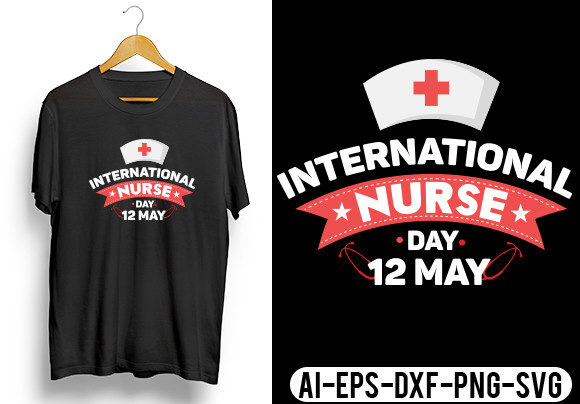
This design immediately strikes a balanced tone. It’s celebratory and respectful, with a visual personality that feels professional yet warmly human. The layout isn’t overly cluttered; it suggests a clear focal point, which is crucial for embroidery where every stitch needs to contribute to the overall impact. The detail level appears thoughtful—not so minimal that it feels generic, but not so dense that it would become a puckered mess on a stretchy sweatshirt. My mind instantly starts placing it: a custom tote bag for a nursing unit, an apron for a home-health nurse, or a simple, elegant patch for a jacket.
Where This Design Naturally Belongs
Let’s picture a real scenario. I’m preparing a batch of embroidered pillow covers as gifts for a local clinic. I want something that conveys gratitude without being overly sentimental or, conversely, too institutional. This International Nurse Day Design fits that niche perfectly. It has the gravity for a professional setting but the heart for a personalized gift. It would translate beautifully onto a clean, cotton pillow cover, with the stitch density likely creating a substantial, textured feel that customers appreciate in a handmade product. For small business merchandise like boutique tea towels or nursery decor for a nurse’s newborn, the design offers that recognizable, thematic anchor without shouting.
Performance Across Real Embroidery Situations
In practical terms, the provided file formats are a strong start. Having expanded vectors means I can scale confidently for different hoop sizes without worrying about distortion—key for applying the same design to a baby onesie and a large tote bag design. The 300 DPI raster files are a gift for creating sharp printable mockups for my Etsy listings, helping buyers visualize the finished product.
On custom apparel, like a polo shirt or a sweatshirt embroidery, the design’s clarity would be its strength. I’d expect clean lines and distinct elements, assuming proper stabilizer is used. For a embroidered patch, it would likely stand out with good definition. The real test, however, comes with application. On curved surfaces like caps, the more intricate corners or any tiny lettering would need careful digitization review—something I always advise testing on scrap fabric first.
Considerations for Optimal Results
Not every design fits every fabric. Here’s where a practical judgment comes in. For the International Nurse Day Design, I’d be cautious on very thin or highly textured fabrics where fine details might get lost. On dark fabric, thread color contrast is paramount; a test run in a black and white mockup would be my first step to see if the elements hold their visual weight. For products destined for frequent washing, like kitchen towels or baby clothes, I’d pay close attention to the stitch density in any fill areas to ensure durability without excessive stiffness.
How This Design Elevates Your Craft Business
Beyond the stitch, this design affects perception. Used well, it enhances product value by feeling intentional and well-made. For a craft business, that builds customer trust. A clean, professional embroidery file results in a clean, professional finished product, which reinforces your brand consistency. The theme itself boosts giftability and recognition—a customer looking for a holiday embroidery gift for a nurse will immediately understand and connect with the item. That direct engagement is what turns a simple embroidery project into a meaningful sale.
A Designer’s Practical Notes Before Hooping
Before I commit this to a client’s order or a batch of small shop product, my checklist is straightforward. I’ll test the embroidery file on the specific fabric I plan to use—a cotton canvas for a bag, a jersey knit for a t-shirt. I’ll confirm the scaled size works within my machine’s hoop size and inspect the small details on that test piece. Crucially, I’ll verify the licensing for my intended use. Is this for personal personalized gifts only, or can I use it for commercial embroidery projects and sell the physical items? That information isn’t detailed here, so checking that is an essential step. Assuming it’s cleared for commercial use, this design becomes a versatile design asset for digital product sellers and makers alike.
The Final Stitch: A Design Built for Purpose
Reviewing the International Nurse Day Design from a maker’s perspective, it feels like a tool built for purpose. It avoids the trouble of unopenable files, which is a basic but critical relief. Its strength lies in its applicability—it’s a graphics file meant for translation into physical crafts. It doesn’t promise to be everything for everyone, but for the niches it fits—apparel decor, thoughtful gifts, boutique merchandise—it should perform with reliability. That reliability, paired with a theme that resonates deeply, makes it a smart choice for embroidery designers and creative entrepreneurs looking to add genuine value to their work. Just remember the golden rule: always test first, stitch with intention, and know the rules of your embroidery project. That’s how a good digital file becomes a great finished product.