A Real-World Review of the Nurse Health Care Worker Embroidery Design
As someone who stitches designs for clients and my own small shop daily, my first question about any new file is always: "Will this look good in thread?" When I opened the Nurse Health Care Worker design, my immediate impression was one of clean, respectful recognition. It’s a design that carries a quiet weight—it’s not overly flashy or sentimental, but it has a professional and heartfelt feel. The layout is balanced, and the visual personality leans towards timeless appreciation rather than trendy decor. This tells me it belongs on projects meant to honor, thank, or celebrate someone in the healthcare field.
Where This Design Finds Its Perfect Home
Let me paint a real scenario. A client asks for a custom embroidered tote bag for their sister, a nurse who’s just finished a tough year. They want it to be durable, useful, and a subtle badge of pride. The Nurse Health Care Worker design is an ideal candidate. Its clarity suggests it will stitch out with excellent definition on a canvas tote. I’d also confidently put it on a high-quality sweatshirt for a gift, or a crisp apron for a nurse who loves to cook. For a small business owner selling in a boutique or on Etsy, this design translates beautifully into premium merchandise—think well-made pillow covers or tea towels for a healthcare-themed home.
The design’s nature makes it a strong choice for personalized gifts and custom apparel. It would stitch beautifully on a baby blanket for a newborn whose parent is a nurse, adding a touch of family identity. As an embroidered patch, it could be applied to a backpack or a uniform bag, serving as a durable marker. For holiday embroidery or wedding gifts for healthcare workers, it offers that perfect blend of personalization and professionalism.
Projects Where You Might Want to Proceed with Caution
While the design’s composition is promising, any embroidery file requires thoughtful application. On very small hoop sizes, the potential detail in the text and emblem might become cramped, losing clarity. I’d be cautious putting it directly on very thin or stretchy fabric without extensive testing; a dense fill stitch area could distort the base material. Dark fabric backgrounds require careful thread color contrast planning—you might need to adjust colors to ensure the design pops.
Applying it to curved surfaces like caps requires checking the digitization for any overly detailed corners that might not lay flat. If the design includes tiny lettering, that section will need a perfect combination of stitch density, stabilizer, and fabric choice to remain legible after stitching. For products destined for frequent washing, like kitchen towels or everyday sweatshirts, you’ll want to ensure the stitch structure is robust enough to withstand wear.
The Impact on Your Work and Your Customer’s Perception
Using a design like this isn’t just about the stitch-out; it’s about the final product’s story. When a Nurse Health Care Worker embroidery is executed well on a quality item, it elevates the visual appeal through its clean execution. Stitching clarity directly boosts the perceived product value. A customer or recipient sees a polished, intentional piece, which builds customer trust and reinforces your brand’s consistency if you’re a maker.
The handmade presentation feels purposeful and respectful, increasing its giftability immensely. For a creative entrepreneur, this kind of design has strong recognition value—it speaks directly to a community, fostering deeper buyer engagement. In commercial embroidery projects for hospitals or clinics, or even in digital product previews for other designers, it conveys a sense of professionalism that generic graphics often lack.
Practical Notes From the Embroidery Machine
Before you commit this design to a client’s project or your own inventory, here’s my standard practice checklist. Always test the design on scrap fabric first, using the same material and stabilizer you plan for the final product. This reveals everything: how the fabric texture interacts with the stitches, whether small details are clear, and the true stitch density. Check thread color contrast against both light and dark backgrounds—sometimes the digital preview differs from real thread.
Review stitch density in the file itself; a very dense design might need adjustments for delicate fabrics. Confirm hoop size requirements by stitching a test; don’t assume. Inspect small details like the edges of any emblem or text in your test run. It’s also wise to test it in black and white mockups to see how it reads as a silhouette. For craft business use, especially as an Etsy seller, ensure you understand the licensing included with the file. Check whether the design works for both personal and commercial projects, and confirm licensing before selling finished items or digital products based on it.
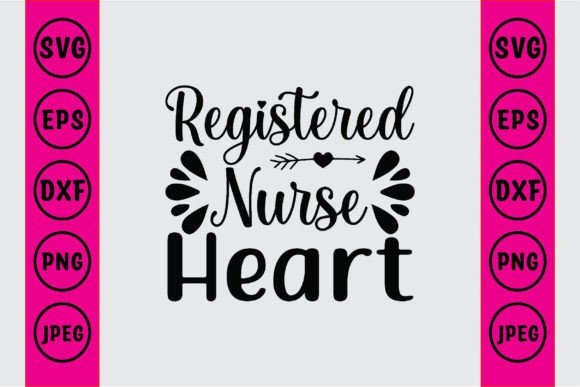
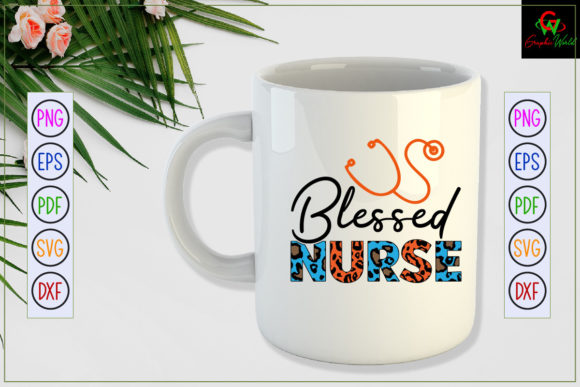
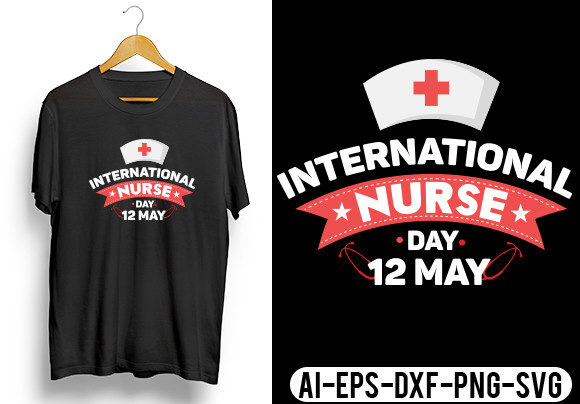
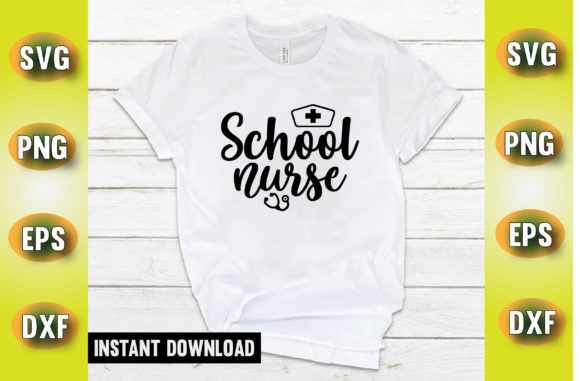
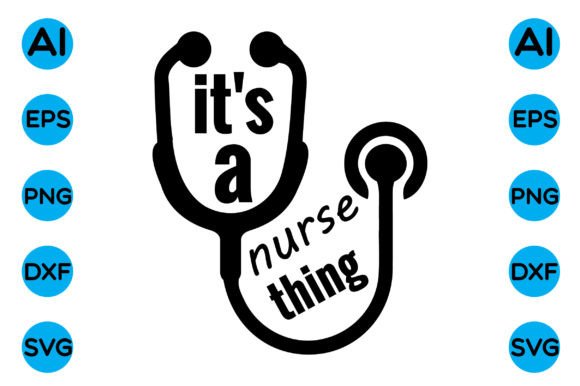
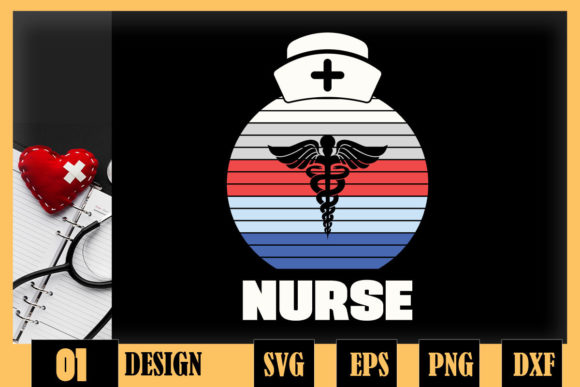
Remember, the included files—SVG, PNG, DXF, EPS—are versatile design assets. They allow for adaptation and use in printable mockups or other digital embroidery file preparations, but your embroidery machine’s final output depends on your careful setup. This Nurse Health Care Worker design, from the Crafts and Graphics realm, holds solid potential. Its strength lies in its thematic resonance and clean layout. With proper testing and application, it can become a reliable part of your library for creating meaningful, well-crafted finished products that truly honor their recipient.