Skeleton Holding Beer Bottle: A Designer’s Real-World Review
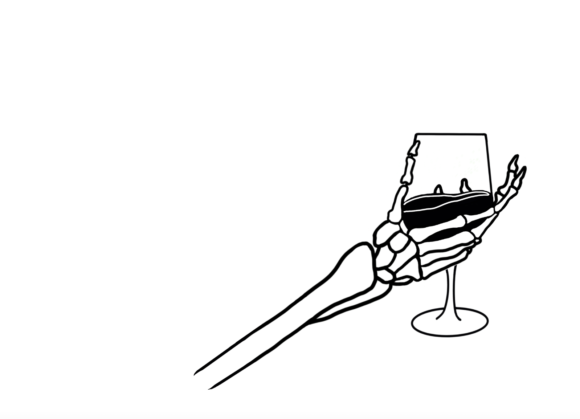
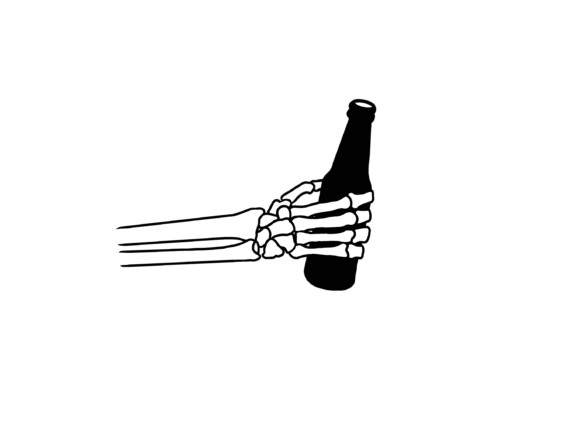
When I first opened the Skeleton Holding Beer Bottle design, my immediate thought was, “This has personality.” It’s not just another clip-art graphic; it’s a hand-drawn character with a specific vibe. The playful, slightly irreverent mood is clear—it’s celebratory, a bit cheeky, and undeniably fun. That visual personality is its biggest asset. For crafters and makers, a design with inherent character like this translates directly into products that feel unique and tell a story, rather than being generic.
Where This Design Finds Its Home
The natural applications for this embroidery file are plentiful and specific. Imagine stitching this onto a heavyweight cotton tote bag for a craft fair. It instantly becomes a statement piece, likely appealing to someone who enjoys a bold, humorous accessory. On a dark sweatshirt, with careful thread color selection, it could become a standout graphic for a custom apparel order. I also see it working exceptionally well as a embroidered patch, applied to a backpack or a cap, giving it that durable, collectible feel. For a personalized gift, think about a bar-themed apron or a kitchen towel for a friend who loves their brew—it adds that perfect, customized touch.
However, the theme naturally guides its best uses. While whimsical, it’s probably not suited for traditional baby clothes or nursery decor, but it could be a hilarious and beloved addition to a “daddy’s” robe or a special blanket for an adult. Its strength lies in products for a mature, humor-appreciating audience: boutique merchandise for a taproom, holiday gifts for the beer enthusiast in the family, or small shop products aimed at a niche market.
The Practical Stitching Considerations
From an embroidery perspective, the hand-drawn style suggests some important practical notes. The organic lines likely mean a mix of satin stitches for outlines and fill stitches for broader areas, like the bottle. This is good for visual texture but requires attention to stitch density. On thin or stretchy fabrics like lightweight t-shirts, you’ll need a robust stabilizer to prevent puckering, especially around the skeleton’s finer details—think those finger bones holding the bottle.
Small hoop sizes could be a challenge. If you’re thinking of putting this on a cap’s curved panel or a small baby item (if you adapt the theme), the design’s scale matters. The details need space to breathe to maintain clarity. Always test on scrap fabric first, particularly if you’re using a textured fabric like a sweater or a dark fabric where thread contrast is critical. A black design on a black garment might lose definition; consider using a grey or white for outlines to keep it readable.
For commercial projects, like producing a line of embroidered tote bags for your Etsy shop, this design offers great versatility. But the key is consistency. Make sure you’ve checked the licensing for the digital embroidery file to confirm it’s cleared for commercial use. Then, run tests to ensure the design stitches cleanly every time on your chosen base product—this builds customer trust through professional, reliable handmade presentation.
Visual Impact and Buyer Engagement
How does this design affect the final product’s appeal and value? On a finished product, the charm of a hand-drawn skeleton creates a sense of authenticity. It feels less mass-produced, which increases its perceived value for customers of a craft business. For an Etsy seller, this can directly boost buyer engagement; it’s a design that prompts a smile and a story, making your listing stand out.
When used in printable mockups for your digital product shop, it shows potential buyers exactly the kind of quirky, branded merchandise they could create. That clarity helps them visualize their own projects, from a branded apron for a small brewery to a unique gift for a friend. The design’s strong, simple theme also aids in brand consistency if you’re using it across a series—like this skeleton holding different beverages—for a cohesive line of small shop products.
Scenarios Where You Should Proceed with Care
While versatile, some applications need extra thought. Dense stitch areas, like a filled beer bottle label, might become too thick on lightweight polos or garments needing frequent washing, potentially affecting comfort and durability. Similarly, stitching onto highly curved surfaces like the crown of a cap requires careful digitizing adjustment to prevent distortion of those charming, hand-drawn lines.
Also, consider the audience. As a holiday gift, it’s perfect for a specific person but perhaps not a generic office gift. Its success hinges on matching the product to the recipient’s taste. For apparel decorators, placing it on layered garments like hoodies with pockets means planning the placement to avoid seams and zippers that could interrupt the design’s flow.
Final Designer Notes Before You Hoop It
My final advice is always pragmatic. Before committing this to a client project or your next craft fair batch, do the legwork. Check the thread color palette. Sometimes a hand-drawn design benefits from slight tweaks—a metallic thread for the bottle, for instance, to add a shine. Compare how it looks in both light and dark fabric backgrounds using simple software previews or even black and white mockups to gauge contrast.
Confirm the hoop size you’ll need. The design’s dimensions will dictate your minimum hoop, impacting which products you can realistically use it on. And most crucially, inspect the small details in a test stitch. Are the skeleton’s ribs clear? Does the bottle shape remain distinct? This step prevents disappointment and ensures your finished product, whether a custom apparel piece or a commercial embroidery project, reflects the quality and playful spirit of the Skeleton Holding Beer Bottle design perfectly.
In essence, this graphics file is a fantastic asset for makers aiming to inject humor and character into their work. It’s not just a Crafts category graphic; it’s a ready-made personality for your next embroidery project. Approach it with a practical eye for fabric, placement, and audience, and it will stitch up into products that are both professionally executed and genuinely engaging.