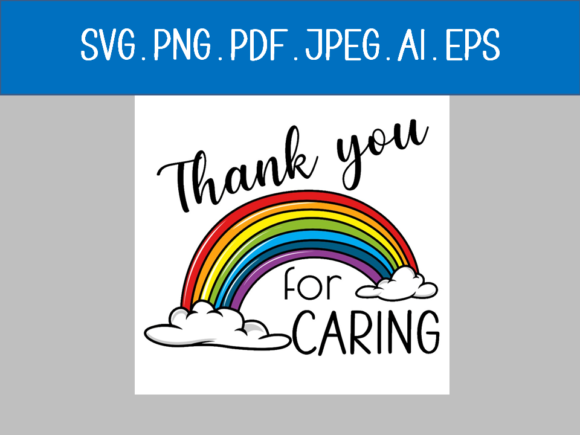
Thank You for Caring: A Designer's Real-World Review
When a new embroidery design lands in my library, I don’t just look at it on screen. I imagine it stitched out, on real fabric, destined for a real person’s hands. That’s the lens I’m applying to Thank You for Caring. This isn’t a theoretical exercise; it’s about judging its readiness for my next client project, a custom tote bag for a nurse, or a batch of sweatshirts for a small boutique.
The Immediate Mood and Design Personality
The first impression of Thank You for Caring is one of straightforward warmth. It’s not overly ornate or sentimental; it’s a clean, heartfelt message. The theme is universal—gratitude for care—which gives it a wide emotional runway. As a designer, I appreciate layouts that don’t fight with the fabric. This design feels like it would sit comfortably, creating a focal point without overwhelming the garment or item it’s applied to. Its visual personality leans towards sincere and modern, rather than vintage or decorative, making it a versatile graphic for contemporary handmade products.
Where This Design Naturally Belongs
My mind immediately goes to practical applications. This is a design built for personalized gifts and small shop merchandise. Think of a soft, embroidered patch on a baby’s blanket from a grateful parent. Imagine it stitched neatly onto the cuff of a healthcare worker’s apron. It would shine on a kitchen towel gifted to a friend who always steps up. For Etsy sellers and craft business owners, this is a ready-made asset for holiday gift collections or simple, meaningful apparel. It doesn’t scream “seasonal”; it whispers “appreciative,” which is a year-round sentiment.
Performance in Real Embroidery Situations
Let’s talk about how Thank You for Caring would perform when the machine starts running. On custom apparel like t-shirts and sweatshirts, its clarity will be key. I’d be mindful of stitch density on lighter fabrics to prevent puckering, and on thicker fabrics like hoodies, I’d ensure the fill stitches penetrate well for a crisp look. For a tote bag, it becomes a permanent, durable mark of thanks—ideal for a carer’s daily use. As an embroidered patch, it could be applied to caps or bags, offering flexibility. On pillow covers or tea towels, it elevates a simple household item into a thoughtful keepsake.
For commercial embroidery projects, like a series of items for a clinic’s staff appreciation, its consistent, professional appearance would build trust. In a craft fair setting, a booth displaying baby clothes or aprons with this embroidery would attract buyers looking for heartfelt, handmade presentations. Its giftability is high; it transforms a plain product into a specific message, increasing perceived value and buyer engagement.
Scenarios Where Extra Care is Needed
No design is perfect for everything, and a practical reviewer has to note the careful spots. With any design featuring text, like Thank You for Caring, small hoop sizes could challenge the clarity of the lettering. On highly textured fabrics or stretchy fabric, the details might soften. I’d be cautious on very thin fabric where dense stitch areas could create tension. Embroidering on dark fabric requires thoughtful thread color contrast—a bright, clean palette would make it pop. Applying it to curved surfaces like caps needs good stabilizer and hoop technique to keep the layout intact. Always, the tiny details deserve inspection in a test stitch.
Impact on Visual Appeal and Professional Results
From a business perspective, using a design like this well affects several outcomes. Stitching clarity directly impacts customer satisfaction; a clean, readable result looks professional. This consistency, across multiple items, reinforces brand consistency for a maker. The design’s inherent sincerity boosts the handmade presentation, making the product feel intentional and personal, not generic. That authenticity drives recognition and repeat interest. For the digital product seller, offering this as part of a bundle for crafters, its clear utility in real projects makes it a valuable design asset.
Practical Designer Notes Before You Stitch
Before I commit this to a client’s order or my own product line, here’s my checklist. I always test the design on scrap fabric first, using the same material I plan for the final product. I check thread color contrast against both light and dark backgrounds. I review stitch density by observing the test piece—does it feel stiff or lie flat? I confirm my intended hoop size can accommodate the design comfortably. I inspect small details like the spaces between letters after stitching. It’s also wise to test it in black and white mockups to gauge its form without color.
Using proper stabilizer is non-negotiable for preserving detail. I consider whether the design’s scale works for both personal and commercial projects. Crucially, I confirm licensing before selling finished items or digital products. The product description mentions it’s a file for sublimation or printing, and ideal for various items. As an embroidery file, I need to verify its compatibility with my machine and the specific formats provided. That step is essential.
A Final Thought from the Worktable
Thank You for Caring has the kind of utility that busy designers and makers appreciate. It’s a message that fits many moments, many products, and many hands. When I evaluate an embroidery design, I’m looking for that blend of emotional resonance and technical practicality. This one, applied thoughtfully to a well-chosen finished product, like a cozy blanket or a sturdy apron, wouldn’t just be an decoration. It would be a quiet, stitched testament—a small, permanent thank you that feels genuinely made. That’s the real project use we’re all aiming for.